South Dade public places / Community history
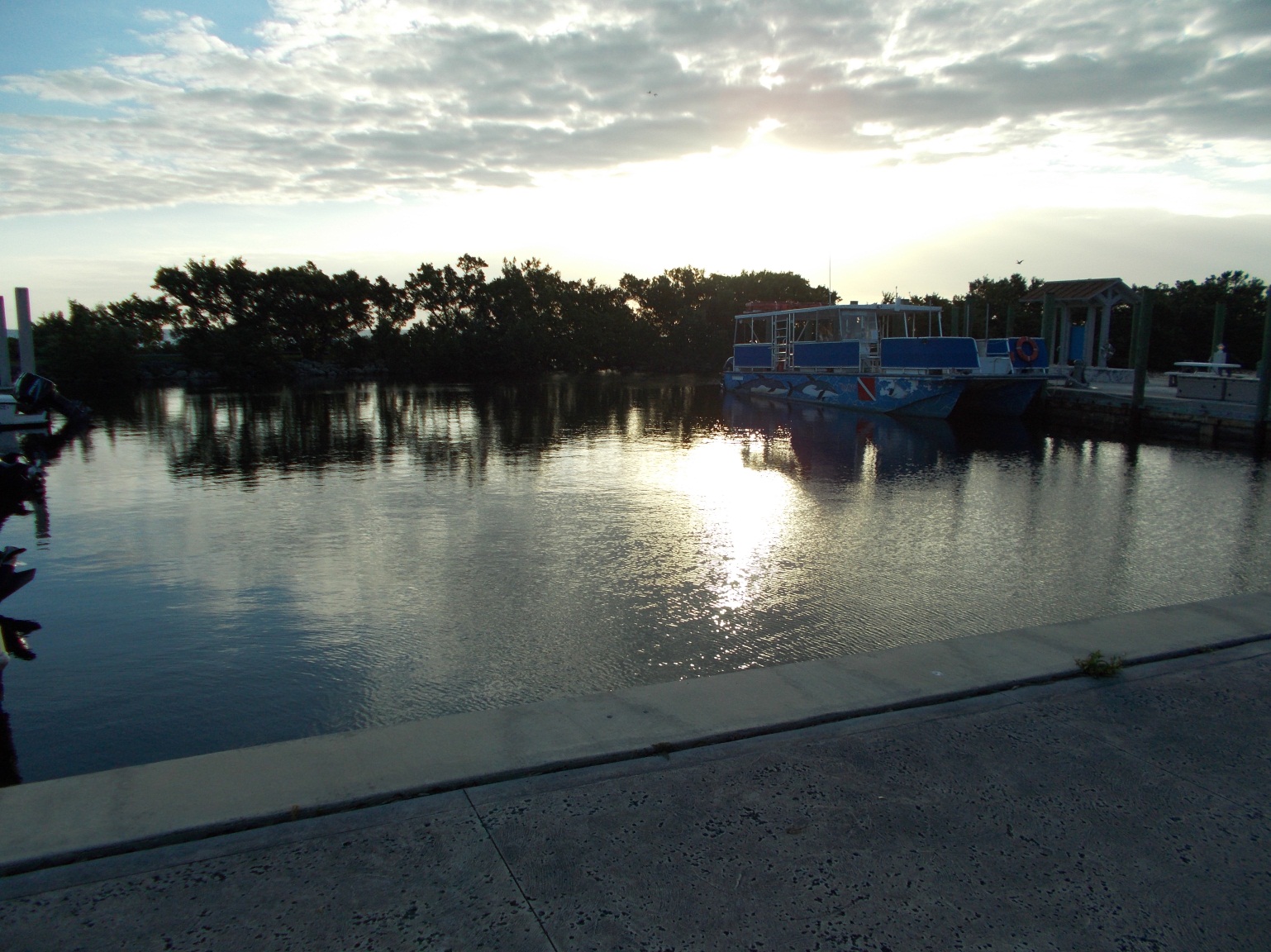
Homestead Bayfront Park is a South Dade waterfront recreation site near Homestead. Its history includes racially segregated beaches and the later transfer of the northern beach site to Biscayne National Park. The present county park, former northern beach and national park visitor-center grounds should be distinguished when interpreting memories of this shoreline.[5]
Land and successive development§
The county's heritage account traces land transfers from South Dade Farms in 1938–1939 and improvement work beginning in May 1939. County materials and federal Works Progress Administration labor supported canal, dockage and swimming-area plans. World War II interrupted development when the site became a military crash-boat base. After the government's use ended in 1947, county work resumed, including utilities, restrooms and a refreshment pavilion. The account also describes a windmill-powered generator and storage batteries for channel-marker lights before the local power connection. These improvements linked waterfront recreation with utilities and navigation infrastructure, rather than one date for every part of today's park.[2]
A December 2012 National Park Service study by Iyshia Lowman distinguishes the initial 1939 dedication, a February 1951 rededication and the November 1955 opening of a separate northern beach for people excluded from the white beach. Those stages contribute to the region's history of segregated public recreation. They should not be collapsed into a single founding celebration.[3]
Family meals, music and unequal access§
In a December 2011 interview with Aisha Lowman, Julius Keaton recalled family outings at the northern beach. His written transcript describes relatives gathering for picnics and birthdays, bringing food, playing music and dancing near a jukebox. He remembered collard greens, cabbage, cornbread and fried chicken among Sunday foods. These are his memories of particular gatherings, not a universal menu for every household or every visitor.[4]
Keaton also described separate approach roads and being redirected by police when entering the route reserved for white beachgoers. The recollection places the pleasure of meals and family company alongside enforced inequality, rather than presenting the beach only as a scenic leisure setting.[4]
Preserving a changed landscape§
The National Park Service's October 2011 invitation sought recollections and photographs to interpret the former segregated beach. It explained that the site had become part of the national park's visitor-center grounds after the county transfer. The invitation documents a collecting project; it is distinct from a completed interview or a full archive of everyone who used the beach.[5]
The county's current visitor page separately describes the marina, atoll area and park reservation system. These modern amenities are distinct from the historical northern beach. Mutable fees and operating blocks are not confirmed visitor arrangements.[1]
Sources & references
- County park and marina description Miami-Dade County. Retrieved . ↑
- Homestead Bayfront heritage account, pages 1–2 Miami-Dade County. Retrieved . ↑
- Jim Crow at the Beach, December 2012, selected pages Iyshia Lowman / National Park Service. Retrieved . ↑
- Julius Keaton interview, December 9, 2011, written transcript Biscayne National Park / Aisha Lowman. Retrieved . ↑1↑2
- Oral-history project invitation, October 2011 National Park Service. Retrieved . ↑1↑2