Municipalities / Western Miami-Dade
Hialeah is a city in Miami-Dade County, separate from Miami and neighboring Miami Springs. Its modern identity includes Cuban American food businesses and working communities, but its history also encompasses Black settlement in Seminola, early land development and manufacturing. The Census counted 223,109 residents in April 2020; this dated count describes the municipality rather than a loosely defined western Miami neighborhood.[1][3]
A city shaped before and after incorporation§
The public library's timeline places Curtiss-Bright land development before municipal incorporation. It records a September 1925 vote by residents, filing later that month and legislative incorporation in November. These are different steps in the same year's process, rather than interchangeable dates for every institution or building in the city.[2]
The same timeline records a 1924 bridge over the Miami Canal connecting the Hialeah side with what became Miami Springs. It also traces the first library to a Woman's Club initiative on a member's porch. Transportation links and small civic institutions developed alongside the better-known entertainment and land ventures.[2]
Seminola and community memory§
WLRN's October 2025 report follows the Marshall family's effort to include Seminola's Black history in the city centennial. It describes early settlers who worked with rancher James Bright and Black workers who helped construct and maintain local landmarks. Family advocacy challenged a public narrative concentrated on founders and later development.[3]
The report also documents a 2024 Seminola celebration at the Milander Center, organized by longtime residents with city financial support. Such gatherings make community memory part of civic life; a single celebration does not resolve the family's continuing concerns about representation in official history.[3]
Food businesses and historical collections§
The tourism authority's September 2026 dining survey describes Cuban kitchens alongside French bistro cooking, Spanish tapas and early-opening bakeries. This variety connects food culture to the city's changing communities, without making one cuisine a complete account of Hialeah.[4]
The Hialeah History Collection at the John F. Kennedy Memorial Library preserves maps, photographs, manuscripts and local periodicals. Its published inventory includes early shop images, advertisements and grocery trade material. These resources offer ways to investigate ordinary commerce beyond restaurant publicity, although an inventory entry is not a substitute for reading the underlying item.[5]
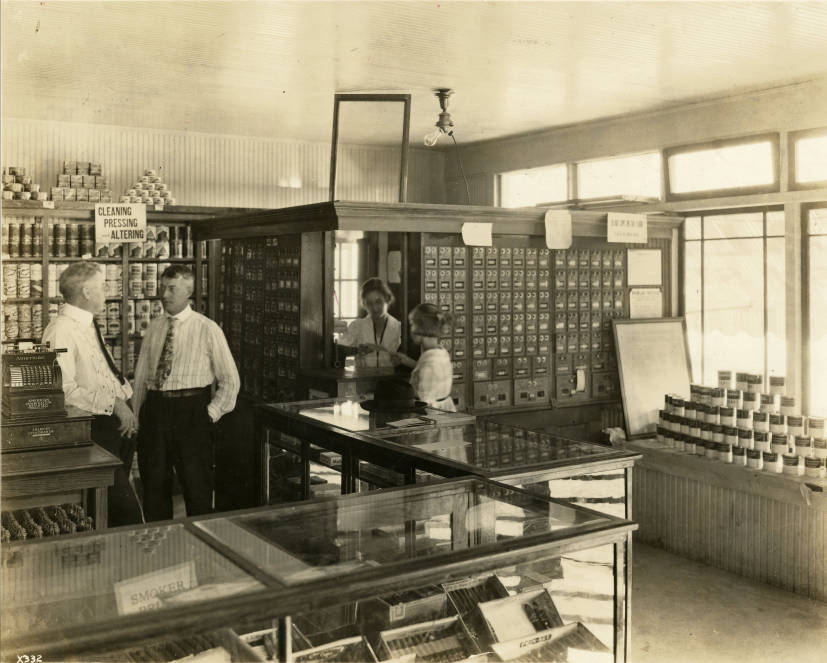
A digitized interior photograph cataloged as September 1921 shows the Hialeah Cash Store sharing space with postal services. The library record identifies groceries, candy, cigars and sundries among its goods. It documents an early mixed-use shop and gathering setting, not an operating business today.[6]
Sources & references
- Hialeah city, Florida — QuickFacts U.S. Census Bureau. Retrieved . ↑1↑2
- Timeline of the City of Hialeah, published timeline Hialeah Public Libraries. Retrieved . ↑1↑2↑3
- Seminola families and Hialeah public history, October30 2025 WLRN / Helen Acevedo and Sherrilyn Cabrera. Retrieved . ↑1↑2↑3↑4
- Hialeah dining guide, September22 2026 Greater Miami Convention & Visitors Bureau. Retrieved . ↑1↑2
- Hialeah History Collection: scope and materials City of Hialeah Public Libraries. Retrieved . ↑
- Hialeah Cash Store and post office: September 1921 photograph and item record Hialeah Public Libraries. Retrieved . ↑